Swap Crypto in Ledger Live App: Complete Exchange Guide and Features
Learn how to swap crypto in Ledger Live App. This guide covers Ledger Live exchange, token swap, fees, and features. Start your secure swap today.
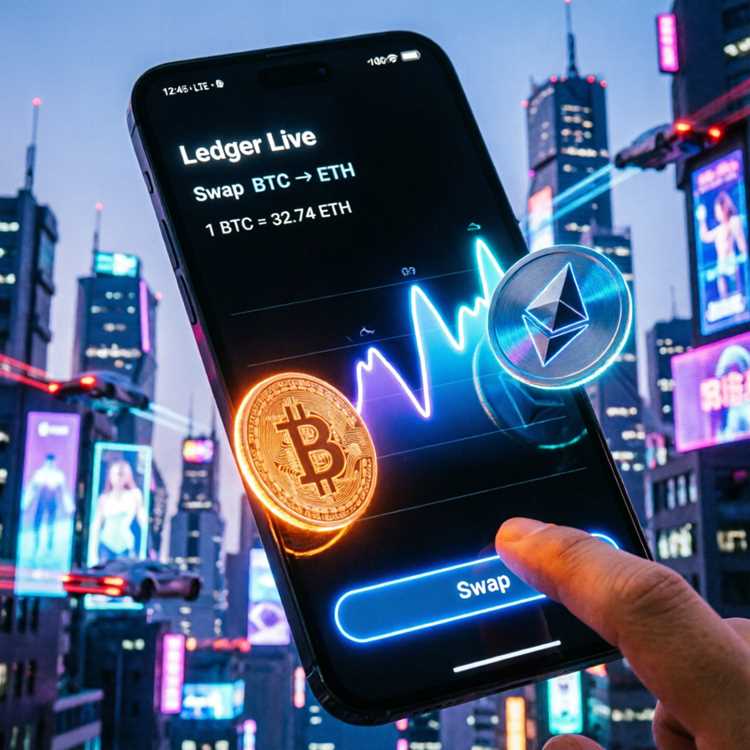
Understanding Crypto Swaps: A New Way to Trade
Swapping crypto in a Ledger Live app changes how you manage digital assets. Many users want to exchange one token for another without leaving their secure wallet. This process differs from traditional exchanges. It offers more control over your funds. Swapping happens directly from your wallet. You maintain custody at all times. Third parties never hold your coins. This method reduces risk. It also simplifies the trading experience. No separate login or account creation is required. Everything happens within one interface. This makes Ledger Live app mobile experience seamless. Users appreciate this streamlined approach. Security remains the top priority. Your private keys stay on your device. They never leave your possession. This core principle protects you from exchange hacks.
Getting started requires just a few steps. First, install the ledger wallet software. Then connect your hardware device. Ensure your apps are up to date. This prevents compatibility issues. After setup, navigate to the swap section. Choose the assets you want to exchange. Review the rates carefully. Confirm the transaction on your device. Each step maintains security protocols. Understanding this flow builds confidence. You can trade with peace of mind. Your assets remain under your control. This is the main advantage of non-custodial swapping.
Why Use Ledger Live for Token Exchange
Many platforms offer token exchange services. Few provide the same level of security as Ledger Live. Using a Ledger Live user experience combines convenience with hardware-grade protection. Your transactions are signed offline. This prevents exposure to online threats. Even if your computer is compromised, your funds stay safe. No exchange can freeze your assets. You have full ownership at all times. This is a key differentiator from centralized platforms. Custodial exchanges hold your tokens. They can restrict access. With Ledger Live, you are the sole controller. Swapping becomes a private activity. Your transaction history stays between you and the blockchain.
Consider the fees involved. Centralized exchanges often hide costs in spreads. Ledger Live provides transparent pricing. You see the exact rate before confirming. This honesty builds trust with users. Also, the process eliminates withdrawal fees. On traditional exchanges, you pay to move tokens. With direct swapping, there is no extra withdrawal step. Your tokens stay in your wallet. They never require an additional transfer. This saves time and money. Traders benefit from faster settlement. Transactions are processed on-chain. This ensures network security. Each swap is a verifiable blockchain transaction. No one can reverse or alter it.
Comparing Swap Providers
Different providers operate within the Ledger Live ecosystem. Each offers varying rates and token support. Compare these options carefully. Some specialize in stablecoins. Others focus on major cryptocurrencies. Rate differences can affect your final amount. Always check multiple quotes before proceeding. This simple step can save significant value. Hidden fees sometimes apply. These are clearly displayed before confirmation. Transparency helps you make informed decisions. Use the comparison feature inside the app.
Supported Tokens and Networks
Not every token is available for swap. Supported assets depend on partner providers. Major cryptocurrencies like Bitcoin and Ethereum are included. Many ERC-20 tokens are also supported. BEP-20 and Polygon tokens are frequently available. Network congestion can impact swap times. Check network status before starting a large trade. Some tokens require specific network selection. Incorrect network choice can lead to loss. Always double-check destination addresses and networks. This prevents irreversible errors. The app provides clear warnings for network mismatches.
Rates and Liquidity
Swap rates fluctuate with market conditions. Liquidity varies by pair and time of day. Large swaps may affect the rate more than small ones. A poorly chosen time can result in higher costs. Monitor rates across several hours if possible. Set realistic expectations for price movement. Use limit orders if available. This allows you to target a specific rate. Your swap executes only when conditions are met. This feature adds strategic depth to your trades. It helps you avoid emotional decisions.
How to Swap Crypto in Ledger Live App: Step-by-Step
This guide provides a clear process for everyone. Follow each step carefully to ensure a smooth experience. Begin by opening your Ledger Live application. Connect your hardware device securely. Unlock the device with your PIN. Navigate to the "Swap" tab in the sidebar. You will see a simple interface. Select the asset you want to send. Choose the asset you wish to receive. Enter the amount you intend to exchange. The app will fetch live rates from providers. Review the displayed rate and fees. Confirm the quote if it meets your expectations. Your device will request verification. Check all details on the screen. You must physically press the button to approve. This confirms the transaction. Wait for the blockchain to process. Success is indicated by a confirmation message. Your new tokens will appear in your portfolio. This entire process takes just minutes for most swaps.
Encountering issues is rare but possible. Common problems include network delays. Insufficient funds for gas fees can block transactions. Always leave a small amount of native token for fees. For Ethereum, this means ETH. For BSC, this means BNB. Without this reserve, swaps will fail. Another issue is expired rate quotes. Rates change quickly in volatile markets. If a quote expires, simply request a new one. This ensures you get a fair price. If an error persists, restart the app. Also, update to the latest version. Outdated software can cause connectivity problems. Contact support through the app if needed. Keep your transaction ID handy for faster assistance.
- Open Ledger Live and connect your device.
- Navigate to the "Swap" section.
- Select the "From" and "To" tokens.
- Enter the swap amount.
- Review the rate and provider details.
- Confirm the transaction on your screen.
- Verify and sign on your hardware device.
- Wait for on-chain confirmation.
- Check your updated portfolio balance.
Managing Swap Fees in Ledger Live
Fees are a crucial aspect of any swap. They consist of network fees and provider fees. Network fees go to blockchain validators. Provider fees compensate the exchange partner. Both are displayed transparently. There are no surprise charges. Understanding fee structures helps you plan trades. Network fees vary by congestion. Higher congestion means higher fees. You can choose to wait for lower fees. Off-peak hours usually cost less. Provider fees are fixed percentages. These are shown in the rate summary. Compare between partners for the best deal. Some providers offer zero-fee promotions. Keep an eye out for these opportunities. They can significantly reduce swap costs.
Optimizing fees requires some strategy. First, monitor network status before trading. Use tools like Etherscan gas tracker. Second, consider swapping smaller amounts. Larger swaps often attract higher network fees. Third, use tokens on lower-cost networks. For example, swapping on Solana usually costs less than Ethereum. However, check token support first. Not all tokens are on every network. Fourth, combine swaps during low-traffic periods. Weekend evenings often see lower fees. This simple timing can save you money. Always factor fees into your expected return. A good swap rate can be negated by high fees. Ledger Live ticket support can help clarify any fee questions.
Network Fee Breakdown
Blockchain networks charge mandatory fees. These are not controlled by Ledger. They are set by network dynamics. Ethereum gas fees are well-known. Layer-2 solutions offer lower alternatives. Using Arbitrum or Optimism can reduce costs. However, swap support for L2s is growing. Check availability before planning. Bitcoin network fees are simpler. They depend on transaction size. SegWit addresses help reduce size. Using native SegWit lowers fees. The app automatically selects optimal fee settings. Manual override is available for advanced users.
Provider Fee Comparison
Multiple providers compete within the app. Each has a different fee structure. Some charge a percentage of the swap. Others include fees in the spread. Compare the total cost, not just headline rates. A lower percentage might hide a worse spread. Use the in-app comparison tool. It shows the final amount you receive. This is the true measure of value. Always choose the provider that gives you the most tokens. This ensures you get the best deal.
Security Best Practices for Swapping
Security should always be your top priority. Following best practices protects your assets. First, never share your recovery phrase. No legitimate service asks for it. Scammers sometimes impersonate support staff. They may ask for your phrase. Immediately block and report them. Your recovery phrase is the master key to your funds. Keep it offline and secure. Second, verify transaction details on your device. The screen shows the exact amount and addresses. Compare these with the app display. Any discrepancy means cancel immediately. This protects against malware attacks. Third, use a strong PIN for your device. Avoid easily guessable numbers. Enable passphrase for extra security. This adds a second factor to access.
Fourth, keep your firmware updated. Updates fix known vulnerabilities. Check for updates monthly. Fifth, only use official Ledger Live software. Download from the official website only. Fake apps exist to steal your funds. Verify the download source. Check code signatures if possible. Sixth, use a dedicated computer for crypto. Avoid using shared or public devices. These may have keyloggers installed. Seventh, consider using a separate browser for dApps. This limits exposure to malicious extensions. Each additional layer of security reduces risk. Protect your investments with these habits.
- Store your recovery phrase in a secure location.
- Never enter your phrase on any website.
- Verify all addresses on your device screen.
- Keep your Ledger firmware up to date.
- Install apps only from the official manager.
- Use a strong and unique device PIN.
- Enable additional security features like passphrase.
- Double-check network and token selections.
Comparing Direct Swap to Centralized Exchange
This comparison helps you choose the right method. Direct swapping in Ledger Live offers key advantages. You retain custody during the entire process. Centralized exchanges require depositing funds. This means you lose control temporarily. If the exchange gets hacked, your funds are at risk. With direct swapping, no intermediary holds your assets. This eliminates counterparty risk entirely. Another difference is speed. Direct swaps usually take minutes. CEX trades are instant internally. However, withdrawal from CEX takes additional time. Including deposit and withdrawal, direct swapping can be faster. Privacy is also a factor. CEX platforms require KYC verification. Direct swaps typically do not require identity submission. This preserves your financial privacy.
Consider the costs carefully. CEX platforms often have lower trading fees. However, they charge deposit and withdrawal fees. These can add up to significant amounts. Direct swaps have higher provider fees. But there are no separate deposit/withdrawal costs. For small trades, direct swapping may be cheaper. For large trades, CEX might be more economical. Calculate total costs before deciding. Also consider the convenience factor. One app handles everything from storage to trading. This reduces account management overhead. There are fewer passwords to remember. Fewer platforms mean lower attack surface. For many users, this balance favors direct swapping.
| Feature | Direct Swap (Ledger Live) | Centralized Exchange |
|---|---|---|
| Asset Control | Full custody always | Lose custody during trade |
| Security | Hardware-level protection | Dependent on exchange security |
| Fees | Provider fee + network fee | Trading fee + deposit/withdrawal fee |
| Speed | Minutes (on-chain) | Instant (internal) + withdrawal time |
| Privacy | No KYC required | KYC usually mandatory |
| Complexity | Low (single app) | High (multiple steps) |
| Token Support | Limited to partner providers | Vast selection |
Troubleshooting Common Swap Errors
Errors can occur during the swap process. Knowing how to fix them saves time. One common error is "Insufficient funds". This includes gas fees. Ensure you have enough native token for fees. Another error is "Rate expired". This happens when you take too long. Simply go back and request a new quote. The market moves fast in crypto. Staying quick avoids this issue. "Network error" messages often indicate connectivity problems. Check your internet connection first. Also, try using a wired connection instead of Wi-Fi. This provides more stable connectivity. Restarting the application often resolves temporary glitches.
More serious errors involve failed transactions. If a swap fails, your funds are returned. This may take some time. The native token used for gas is not returned. This is a sunk cost. Always minimize failed transactions by checking conditions. Verify the destination address is correct. A wrong address means permanent loss. No one can reverse a blockchain transaction. Triple-check before confirming. If you encounter persistent issues, Ledger Live crash solutions may help. Sometimes the app needs reinstallation. Backup your recovery phrase first. Then uninstall and reinstall the software. This clears corrupted files. Syncing issues can also cause errors. Refresh your portfolio manually. Use the "Synchronize" button. This forces an updated balance check.
Hardware Connection Issues
Sometimes the device disconnects mid-swap. This interrupts the process. Ensure your USB cable is secure. Try a different port or cable. Bluetooth connections can be unstable. Use a wired connection for critical transactions. Restart the device by unplugging it. Then plug it back in. The app should recognize it again. If not, restart the computer. This resolves most hardware issues.
App Update Problems
Outdated apps cause compatibility issues. Always update to the latest version. Check for updates in the manager section. Ignoring updates can lead to errors. New features and bug fixes are included. Regular maintenance keeps everything running smoothly. Set a reminder to check weekly.
FAQ on Swapping Crypto in Ledger Live
This section answers common questions. It helps clarify the swap process. Users often ask about minimum swap amounts. Minimums vary by provider and pair. Usually, they are around $10 equivalent. Maximums are often set daily. Large swaps may require approval. Check provider limits before starting. Another frequent question is about refunds. Failed swaps return your funds minus network fees. Successful swaps are final. There are no refunds for completed trades. This is a fundamental blockchain property. Always be certain before confirming.
People also ask about tax implications. Swaps are taxable events in many jurisdictions. You might owe capital gains tax. Keep records of all swaps. The app provides transaction history. Export this for your accountant. Consult a tax professional for advice. Laws vary by country. Stay compliant with local regulations. Another question concerns support for fiat currencies. Currently, Ledger Live swap supports only crypto-to-crypto. Fiat on-ramp is a separate feature. Use the "Buy" section for fiat purchases. Then swap the purchased crypto. This two-step process achieves the same goal. Future updates may add more options. Monitor app announcements for changes.
What happens if the provider goes bankrupt? Your funds are not affected. The swap happens instantly on-chain. The provider never holds your coins. This is a major advantage of non-custodial swaps. The provider only facilitates the rate and liquidity. Your tokens go directly to your wallet. No exposure to provider insolvency. This makes the process safer than exchange trading. Users also ask about supported countries. Most countries are supported. Some have restrictions due to local laws. Check the provider's terms of service. The app will inform you if a swap is unavailable. This ensures compliance with regulations. Ledger constantly works to expand availability.